Embarking on a journey to the Maras Salt Mines in Peru is an invitation to explore. It is one of the world’s most fascinating and ancient practices of salt harvesting. Nestled in the heart of the Sacred Valley, these salt ponds offer not only a glimpse. It is a tradition but also an opportunity to connect with the cultural and historical tapestry of the Andean civilizations.
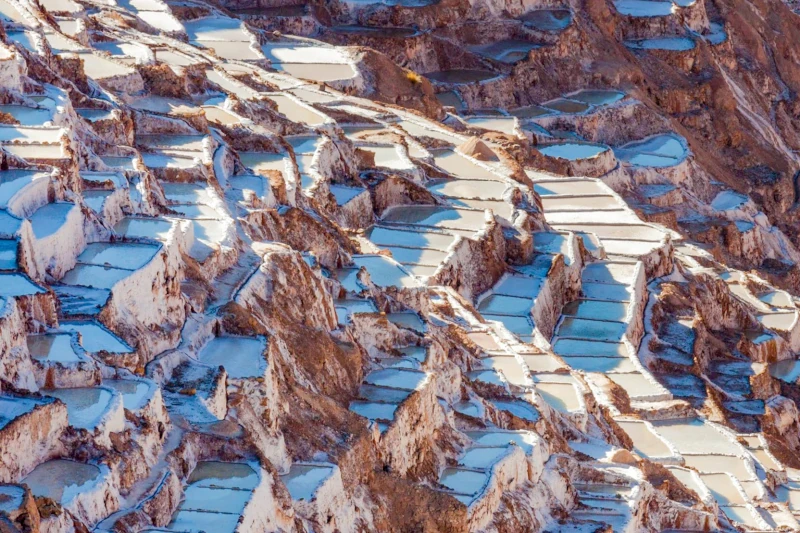
Located just 40 kilometers from the city of Cusco, the Maras Salt Mines present an impressive geological formation. The thousands of individual salt ponds are a result of a unique natural phenomenon where a subterranean stream rich in salt minerals feeds into the ponds. This stream, originating from an ancient ocean trapped beneath the Andes .Creates an ever-renewing source of salt that has been tapped into for centuries. The stark contrast between the white salt and the surrounding earthy tones of the mountains. It makes for a breathtaking visual spectacle, drawing photographers and nature enthusiasts from around the globe.
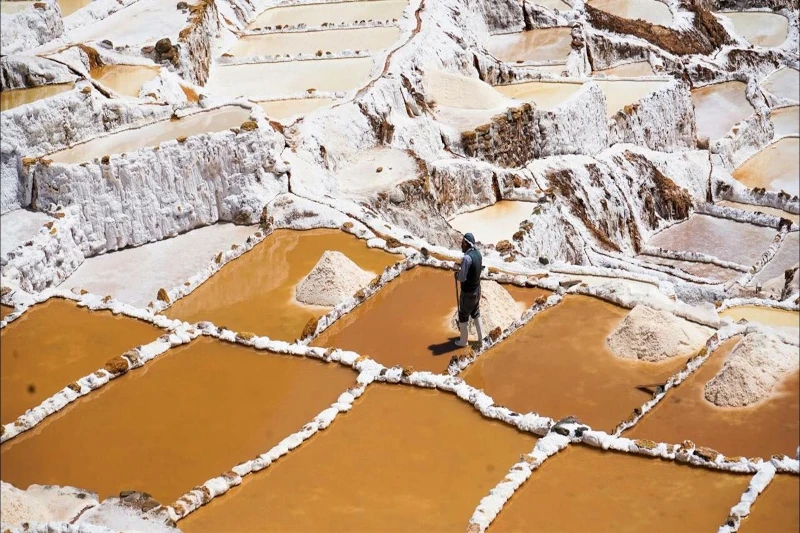
The Andean people’s ingenuity is exemplified by the intricate network of channels that direct the mineral-rich water into the ponds. This system, largely unchanged since its inception, showcases their advanced understanding of hydraulics and resource management.
Each pond is carefully maintained to ensure optimal salt production, a process that requires precise timing and coordination. The layout of the ponds resembles a patchwork quilt, with each section telling a story of human perseverance and adaptation to the natural environment.
The Maras Salt Mines are not just a historical site but a living cultural heritage. Local families own and operate the ponds, passing down their knowledge and skills through generations. The salt harvesting process is both labor-intensive and delicate, involving the careful collection of salt crystals after the water has evaporated. This meticulous method is a testament to the Andean people’s dedication to preserving their cultural legacy while adapting to modern challenges. Visitors to the site can witness firsthand the harmonious blend of tradition and innovation that defines this unique landscape.
The origins of the Maras Salt Mines date back to the Inca civilization. The Incas, known for their advanced agricultural and engineering techniques, recognized the value of salt not only as a seasoning but also as a preservative.
Salt was a vital commodity in the Inca economy, used in trade and as a form of currency. The Incas’ ability to harness natural resources like salt was pivotal in their empire’s expansion and influence, allowing them to sustain large populations and facilitate trade across diverse terrains.
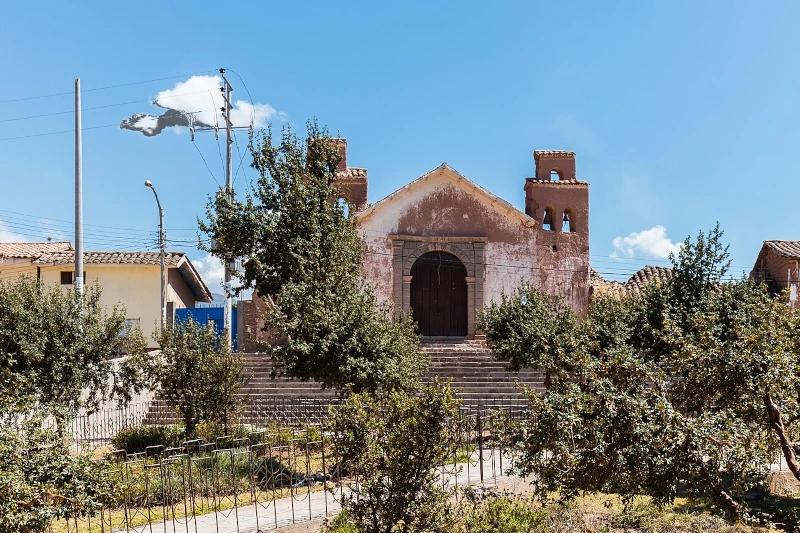
The strategic location of the Maras Salt Mines in the Sacred Valley, near the Inca agricultural terraces of Moray, highlights the interconnectedness of Inca innovations. These agricultural experiments allowed the Incas to cultivate a variety of crops, adapting to different altitudes and climates, while the salt mines provided a steady supply of salt to preserve and trade these goods. This synergy between agriculture and resource management is a hallmark of Incan ingenuity, demonstrating their holistic approach to sustaining their civilization in harmony with nature.
The engineering prowess of the Incas is evident in the meticulous design of the salt ponds and their supporting infrastructure. The channels and terraces are not only functional but also aesthetically pleasing, reflecting the Inca’s appreciation for beauty and symmetry.
The precision with which the ponds are constructed ensures that each one fills and drains efficiently, maximizing salt yield. This level of sophistication in engineering has inspired modern architects and engineers, who study these ancient techniques to inform contemporary practices.
The preservation of the Maras Salt Mines is a testament to the enduring cultural heritage of the Andean people. Despite the passage of time and external influences, the techniques and traditions associated with salt harvesting have remained largely unchanged.
The local Quechua-speaking communities continue to manage the mines collectively, ensuring that this ancient practice endures. This continuity is crucial not only for cultural preservation but also for maintaining the social fabric of the communities that rely on salt harvesting as a primary economic activity.
The mining process is a communal activity, with families working together to maintain and harvest the salt ponds. This collaborative effort reflects the Andean values of community and reciprocity, known as “ayni,” which are central to their way of life.
Ayni embodies the principles of mutual support and cooperation, ensuring that all community members benefit from the collective work. This system of reciprocity strengthens social bonds and fosters a sense of shared responsibility for the land and its resources.
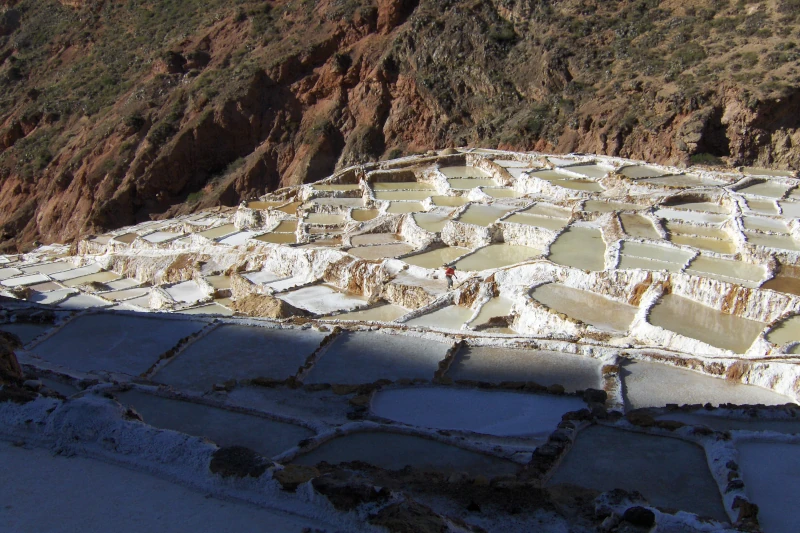
While the traditional methods of salt harvesting remain, the Maras Salt Mines face modern challenges such as climate change and economic pressures. The local communities have adapted by integrating sustainable practices and promoting eco-tourism to support their livelihoods.
Efforts to balance tradition with innovation are ongoing, as the salt miners work to preserve their heritage while embracing opportunities for growth and development. These adaptations ensure that the Maras Salt Mines continue to thrive as a cultural and economic hub in the Sacred Valley.
The Quechua language, spoken by many of the people involved in salt harvesting, is a vital link to the past. It carries with it the history, stories, and knowledge of the Andean people. Through language, the wisdom of salt harvesting and its cultural significance. Letting preserve the identity and heritage of the community. Quechua serves as a living archive, capturing the nuances of Andean culture and its connection to the land. In effect the future generations remain connected to their roots.
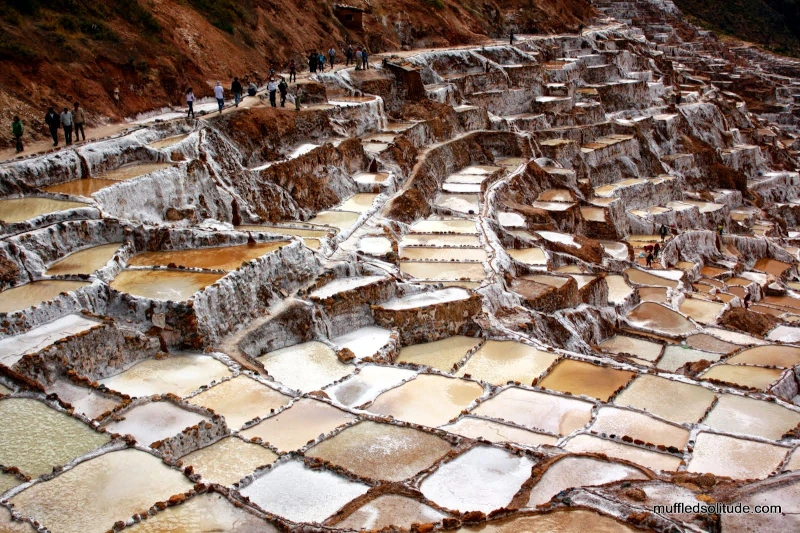
Quechua terms related to salt harvesting, such as “quri” (meaning “salt pond”) and “chaki” (meaning “to harvest”), are imbued with meanings that go beyond their direct translations, reflecting the deep cultural connections and traditions of the Andean people. Each term encapsulates centuries of knowledge and experience, offering insights into the spiritual and practical aspects of Andean life. The language is a testament to the Andean people’s ability to articulate complex concepts through simple, yet profound, expressions.
Efforts to preserve the Quechua language are integral to maintaining the cultural tapestry of the Andean communities. Educational programs and cultural initiatives aim to revitalize Quechua, encouraging its use among younger generations.
These efforts are crucial in ensuring that the language remains vibrant and relevant, enabling the continued transmission of cultural knowledge. By supporting language preservation, the Andean people affirm their identity and resilience in the face of globalization and cultural homogenization.
Visiting the Maras Salt Mines is more than just a sightseeing tour; it is an immersive cultural experience. Travelers have the opportunity to engage with local artisans, witness traditional salt harvesting techniques, and even participate in the process.
This interaction fosters a deeper appreciation for the cultural and historical richness of the region. Artisans share their craft and stories, offering visitors a unique glimpse into their daily lives and the skills passed down through generations.
The Maras Salt Mines offer a range of cultural activities that allow visitors to immerse themselves in Andean traditions. Workshops and demonstrations provide hands-on experiences, from learning how to harvest salt to crafting traditional Andean textiles. These activities not only educate but also create lasting memories, as travelers gain a deeper understanding of Andean culture and the significance of the salt mines in the community’s way of life.
By engaging with the local community and participating in cultural activities, visitors contribute to sustainable tourism practices that benefit the region. Supporting local artisans and purchasing handcrafted goods directly impacts the livelihoods of the families who rely on salt harvesting. This sustainable approach to tourism ensures that the cultural and environmental integrity of the Maras Salt Mines is preserved for future generations, while also providing economic opportunities for the local population.
The optimal time to visit the Maras Salt Mines is during the dry season, from May to October. During this period, the salt ponds are most active, and the weather is favorable for exploration. The vibrant colors of the salt ponds, ranging from white to reddish-brown, are particularly striking under the bright Andean sun. Visitors can enjoy clear skies and comfortable temperatures, making it an ideal time for photography and outdoor activities.
Travelers can reach the Maras Salt Mines by taking a guided tour from Cusco or the nearby town of Urubamba. The journey offers stunning views of the Sacred Valley and the surrounding Andean mountains. For those seeking a more adventurous route, hiking or biking tours are available, providing a closer connection with the landscape. These options allow travelers to tailor their experience according to their interests and physical capabilities, ensuring a memorable visit.
Upon arrival, visitors are greeted by the awe-inspiring sight of the salt ponds stretching across the mountainside. Guided tours provide insights into the historical and cultural significance of the mines, as well as the unique process of salt harvesting. Visitors can purchase locally produced salt products, supporting the local community and taking home a piece of Andean heritage. The experience is both educational and enriching, offering a profound connection to the land and its people.
The Maras Salt Mines are a remarkable testament to the ingenuity and resilience of the Andean people. This unique site offers travelers the chance to step back in time and experience a tradition that has shaped the cultural landscape of the Sacred Valley. The mines stand as a symbol of human adaptability and the enduring spirit of the Andean civilizations, inspiring all who visit to appreciate the rich tapestry of history and culture they represent.
By visiting the Maras Salt Mines, travelers not only witness a stunning natural and cultural landmark but also contribute to the preservation of Andean heritage. The tour is an invitation to embrace the richness of Peru’s cultural tapestry and to appreciate the enduring legacy of the Andean civilizations. Each visit supports the local communities, ensuring that their traditions and way of life continue to thrive in the modern world.
In the words of a Quechua proverb, “Ama sua, ama llulla, ama qhilla” — “Do not steal, do not lie, do not be lazy.” These principles guide the Andean way of life and are reflected in the dedication and craftsmanship of the salt harvesters at Maras. As you explore this extraordinary site, you become part of a story that transcends time and connects us all to the rich heritage of the Andes. The Maras Salt Mines offer a unique opportunity to reflect on the universal values of community, resilience, and cultural pride that unite us across generations and borders.